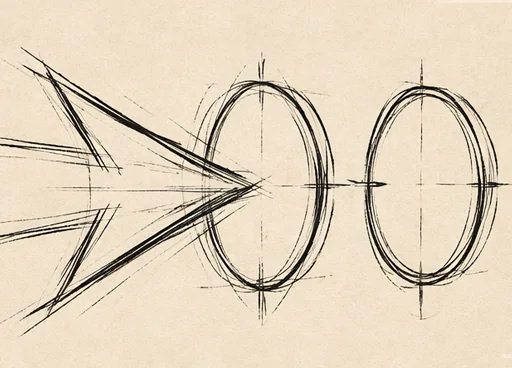
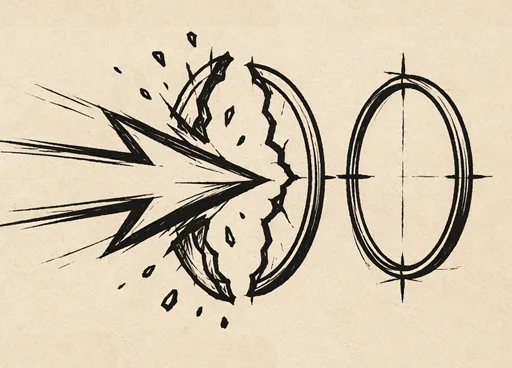
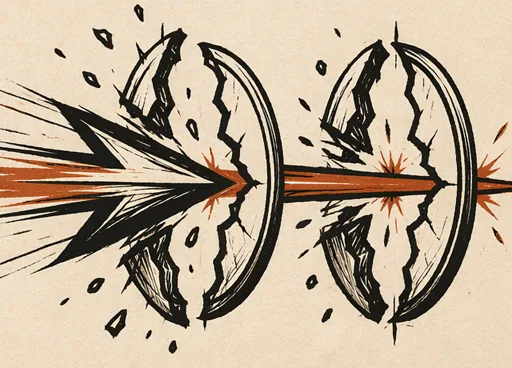
Every card is drawn three times.
This is Power Through, a Strength card. The art grows as the card levels up. Colour arrives last, and only on the thing the card does.
How it was made
Divergent Echoes is a turn-based deckbuilding RPG. I started it in March 2026 and have built it with AI agents ever since. This page shows what that looked like from the inside, and what it changed about how Hollie and I run client work.
 Kai ZeyherHKZ Digital
01 · Three drafts
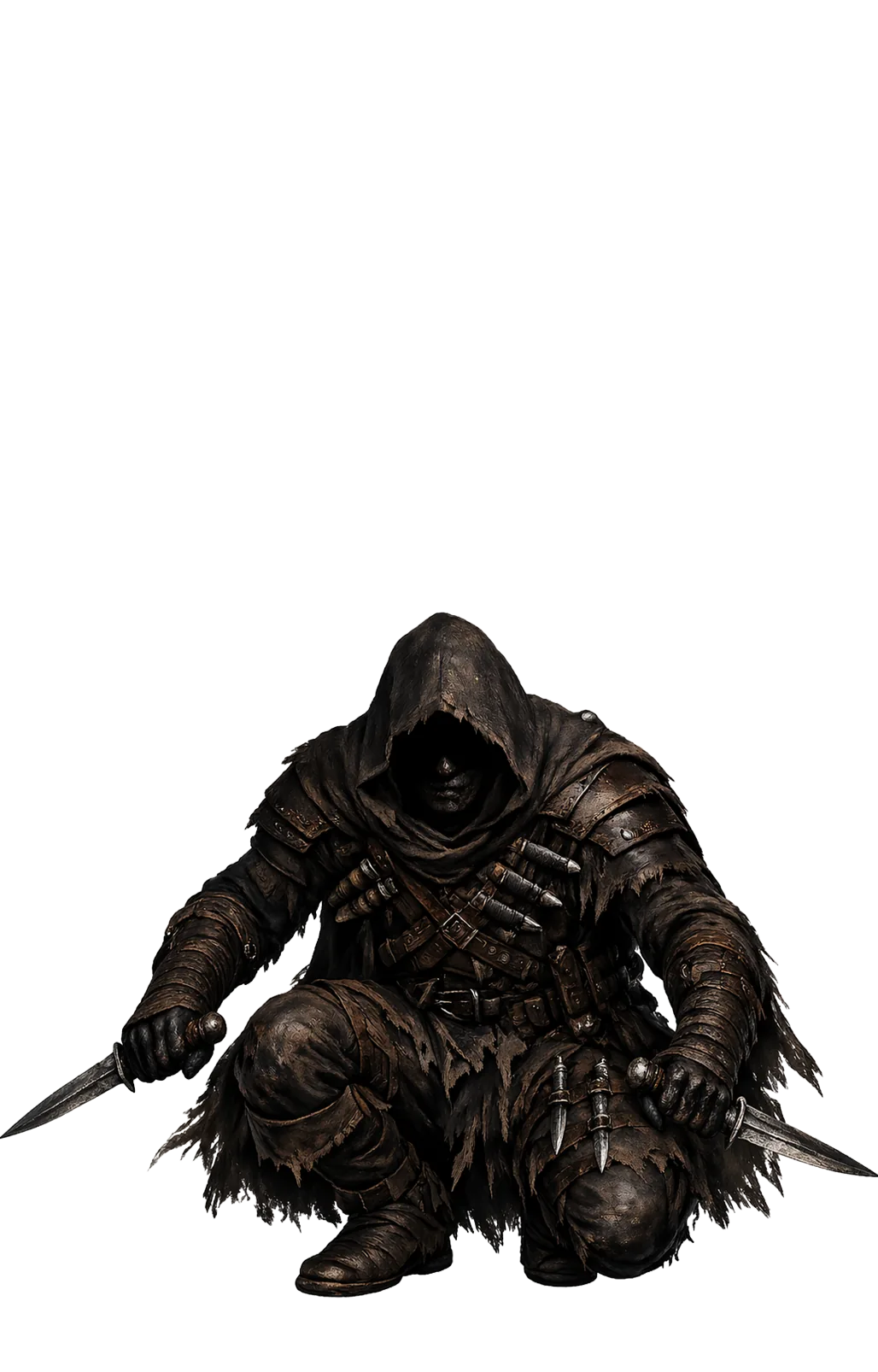
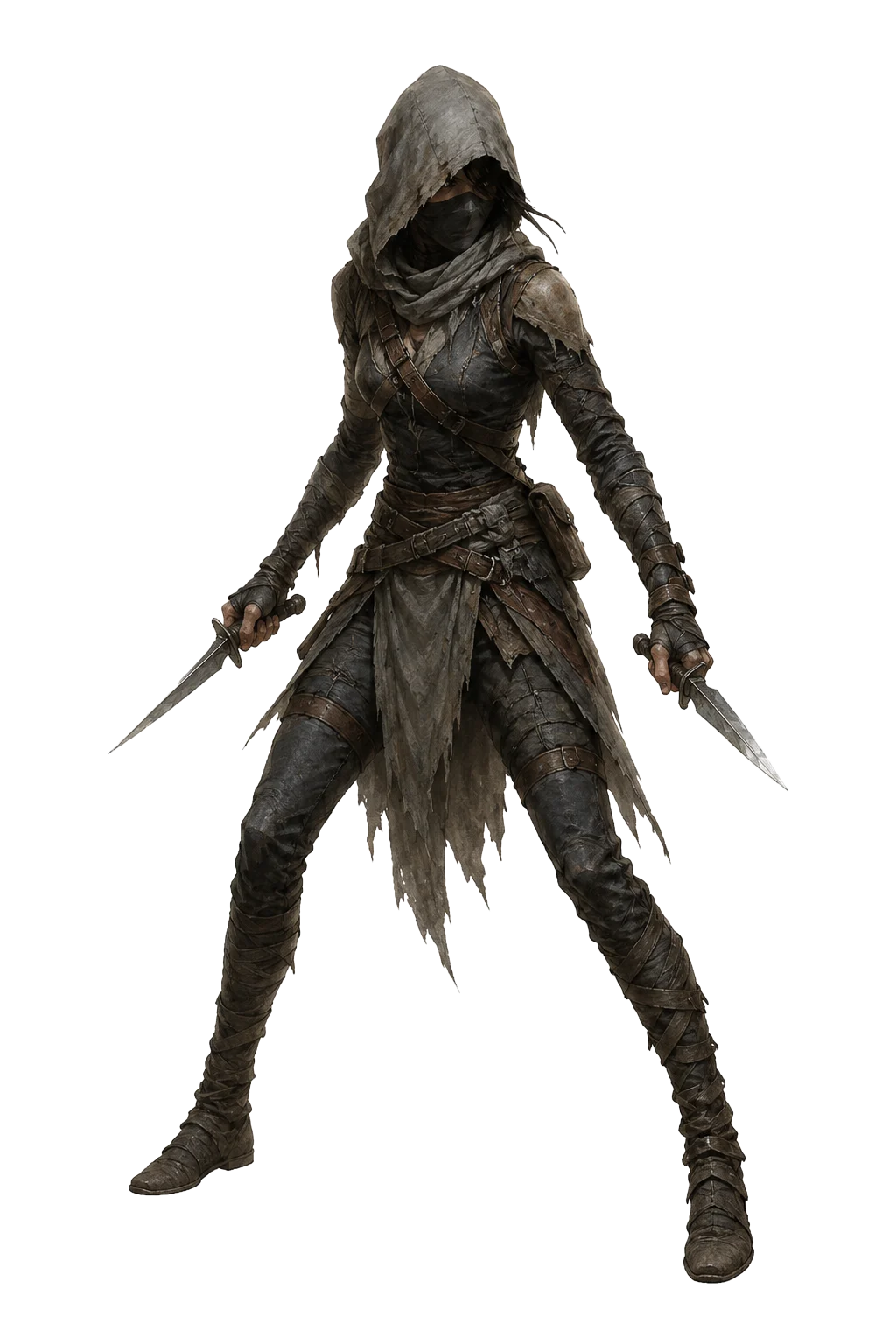
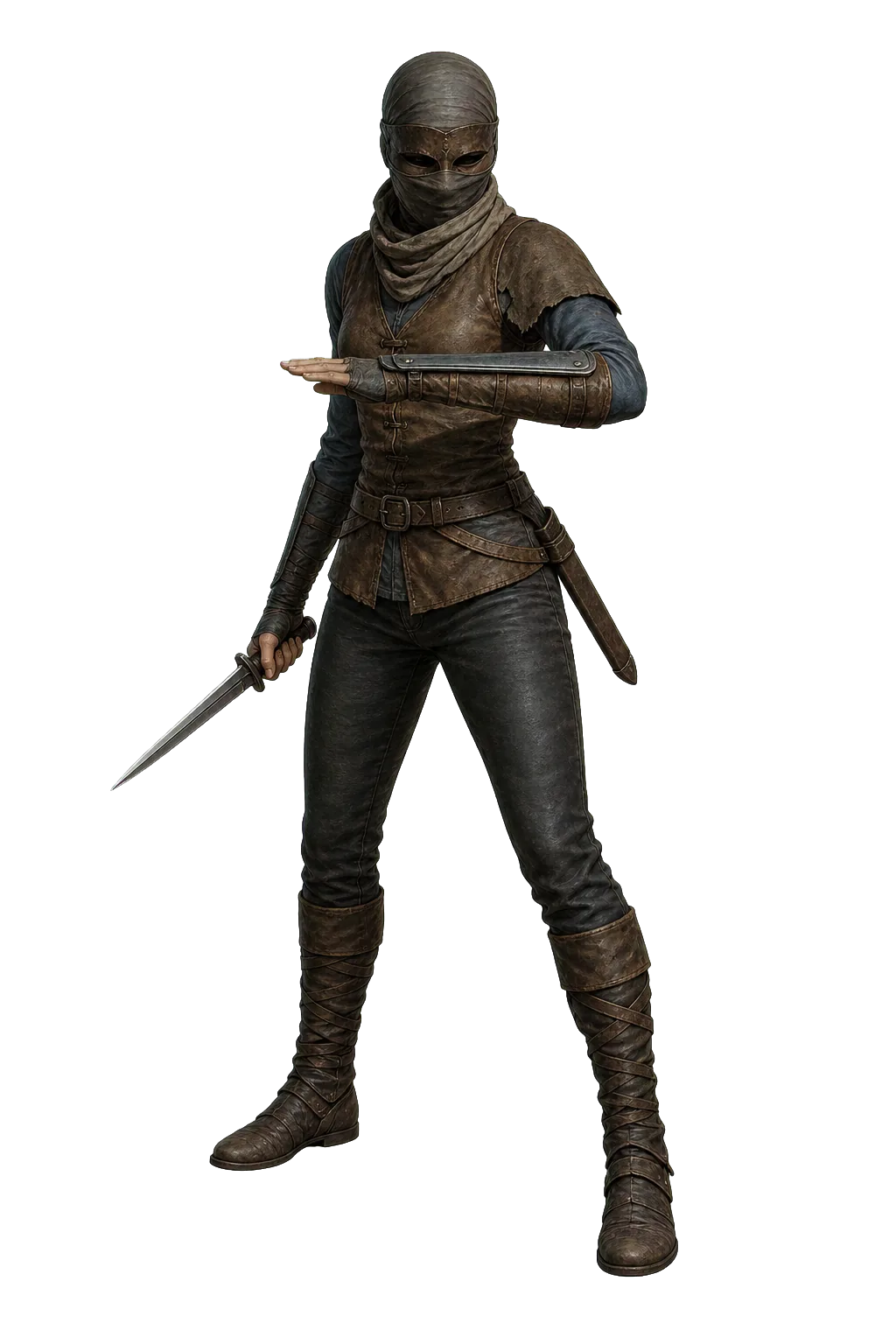
The Flurry Stalker is the fast enemy: a short burst of attacks, then back into position. The first version was a hooded rogue in a deep crouch, buried under straps and spare knives. It looked dangerous. It was also the rogue anyone would get by asking for one.
The second version was a clear improvement, and it would have been easy to stop there. Instead we asked what speed really means. If this character is the essence of agility, why four belts? Why the flowing cloak?
Speed should be light, quick and deadly, with no excess baggage. The version in the game stands upright with one raised forearm and one low blade, and nothing on her is there for decoration.
02 · Rules before pictures
An agent will happily give you a hundred images that have nothing to do with each other. The art holds together because each kind of asset has a written rule it has to pass before I look at it.
This is Power Through, a Strength card. The art grows as the card levels up. Colour arrives last, and only on the thing the card does.
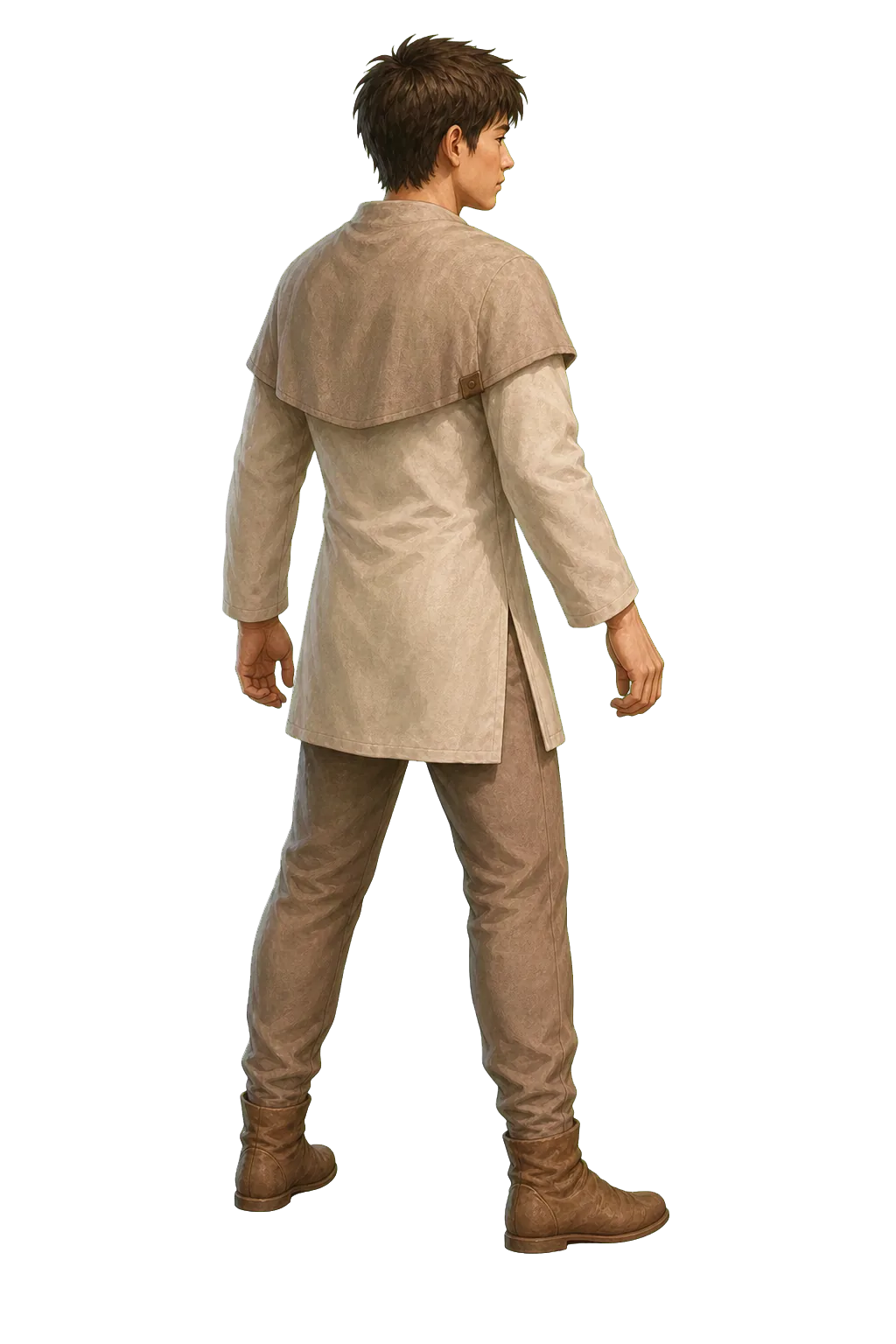
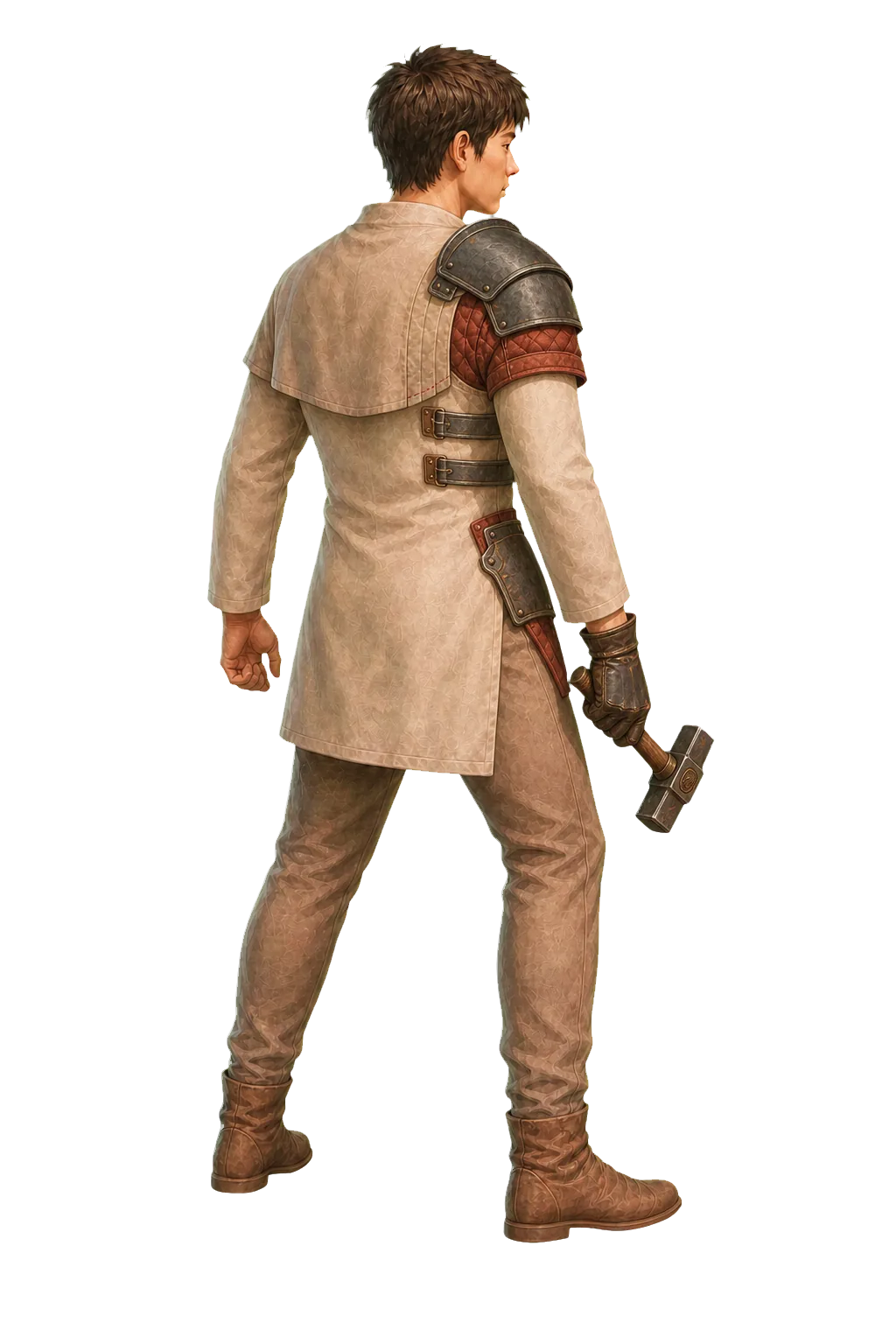
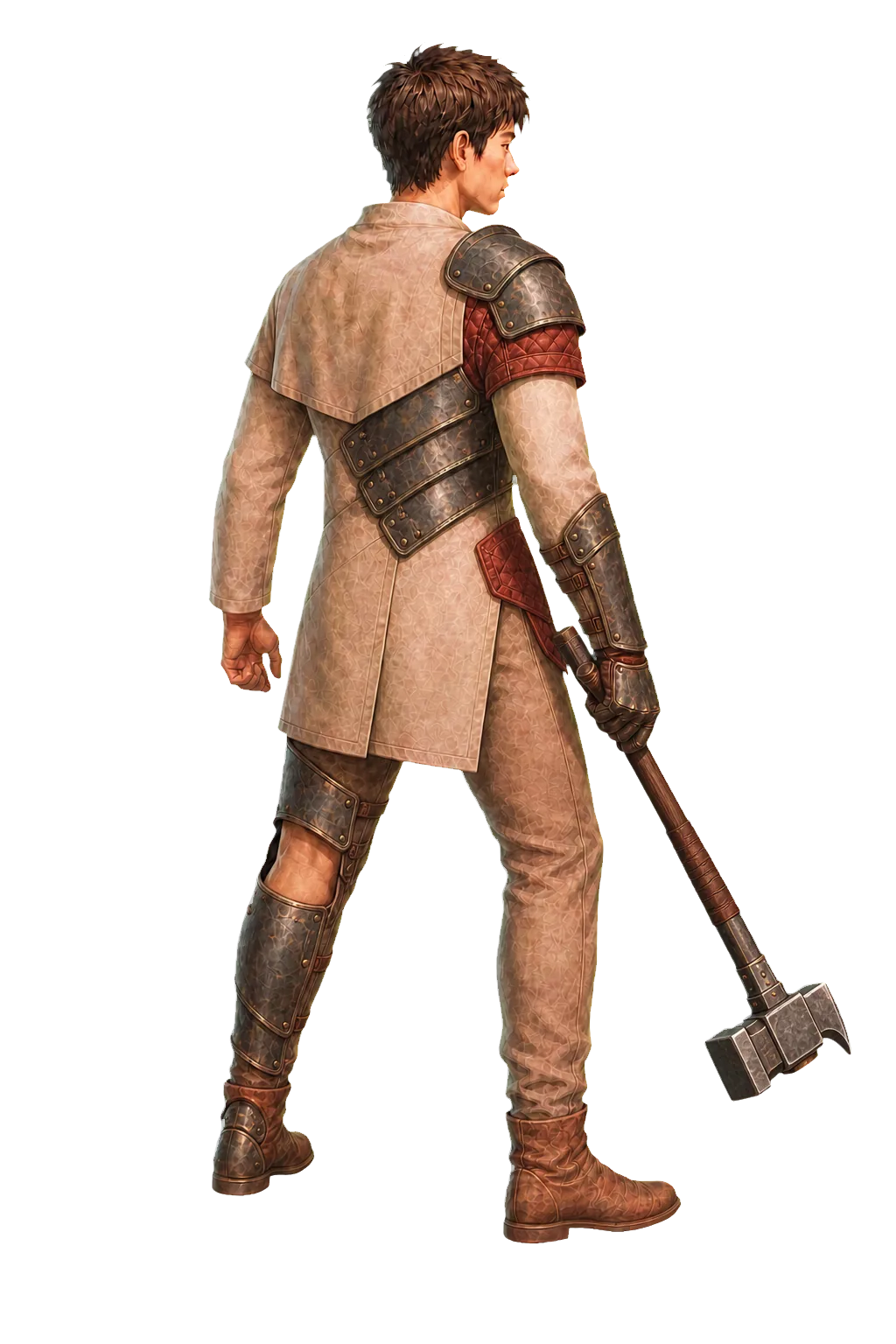
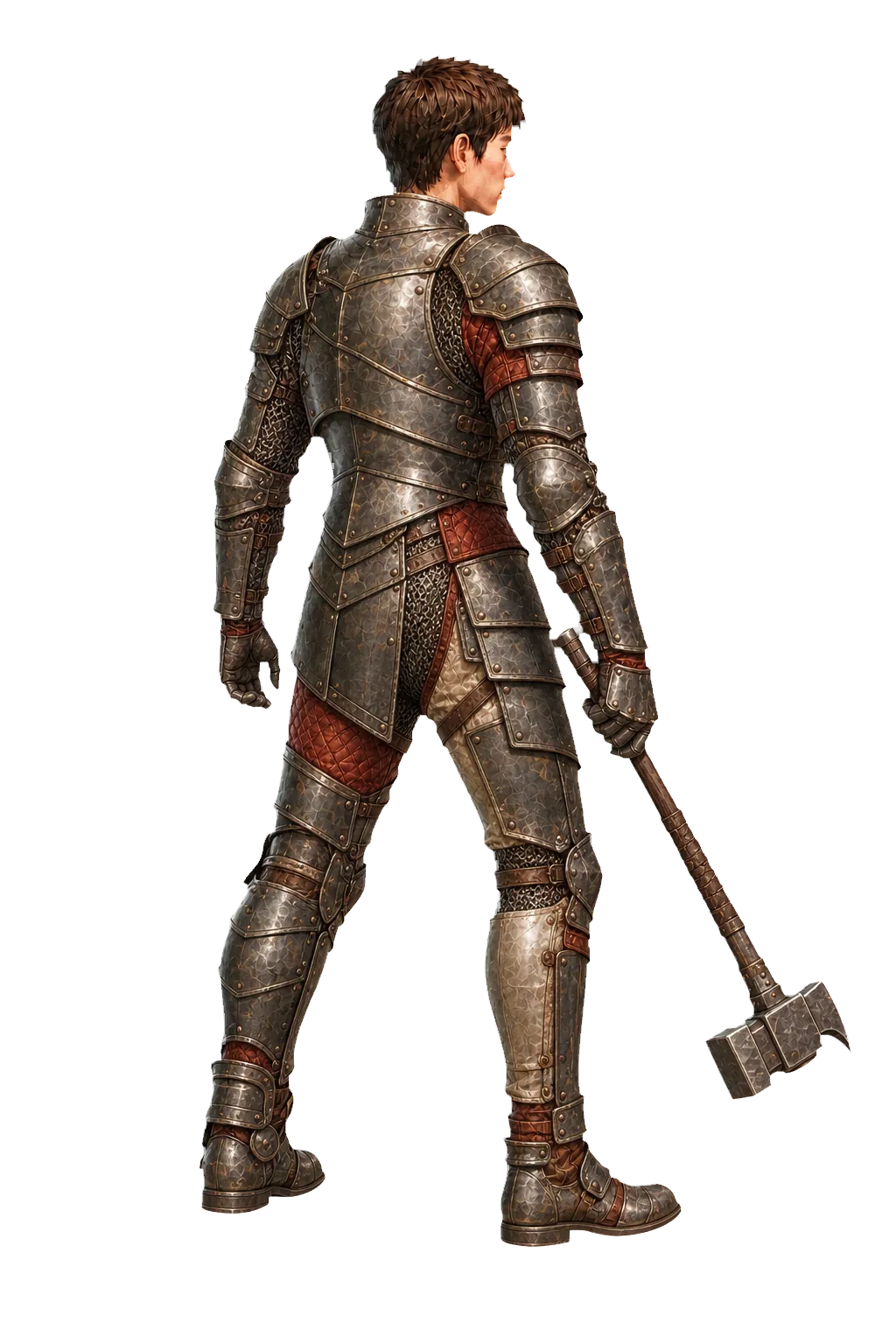
Same face, same proportions, same stance across every stage of every build. Keeping one character recognisable across dozens of generated images takes a written rule, not luck.
03 · Memory
An agent starts every session knowing nothing about last week. So the game’s memory is a set of markdown notes that agents read before they touch anything and update when they finish. Every dot on this map is one of those notes.
Some of them are what you would expect: the stat system, the boss design, the card audits. The ones that matter most are duller.
That last one settles which document wins when two of them disagree. It sounds bureaucratic. It is the reason an agent can pick up work it has never seen and not undo a decision made months ago.
04 · What went wrong
I would like to tell you about the night the agent deleted the save system. It hasn’t happened. Either I’m an optimist, or that bill hasn’t come due.
What I can tell you is what it costs to be able to say that. A lot of the work goes into things no player will ever see.
05 · The actual bottleneck
A decision is made, it’s ready within hours, and then it’s time for another decision. That one decision used to take all week to build, which gave me all week to think about the next one.
Nobody warned me about this part. The building got fast and the deciding stayed exactly as slow as I am. I hit decision fatigue in a way I never did when the building was slow.
Everything creative is still mine to decide: what an enemy means, which card art is right, when a mechanic is clever but wrong for the pacing. That turned out to be most of the job.
What it changed about client work
The second draft of anything AI makes looks good. We keep asking what each piece is for, and cut what has no answer.
Why that audience is excluded, why that field exists, why that journey waits three days. If it lives in one person’s head, neither a new hire nor an agent can use it.
Faster production means more approvals per week landing on the same few people. We plan the review load before we speed anything up.
Rollback, a second reviewer and regular cleanup are why nothing has broken. They go in the plan and the estimate.